
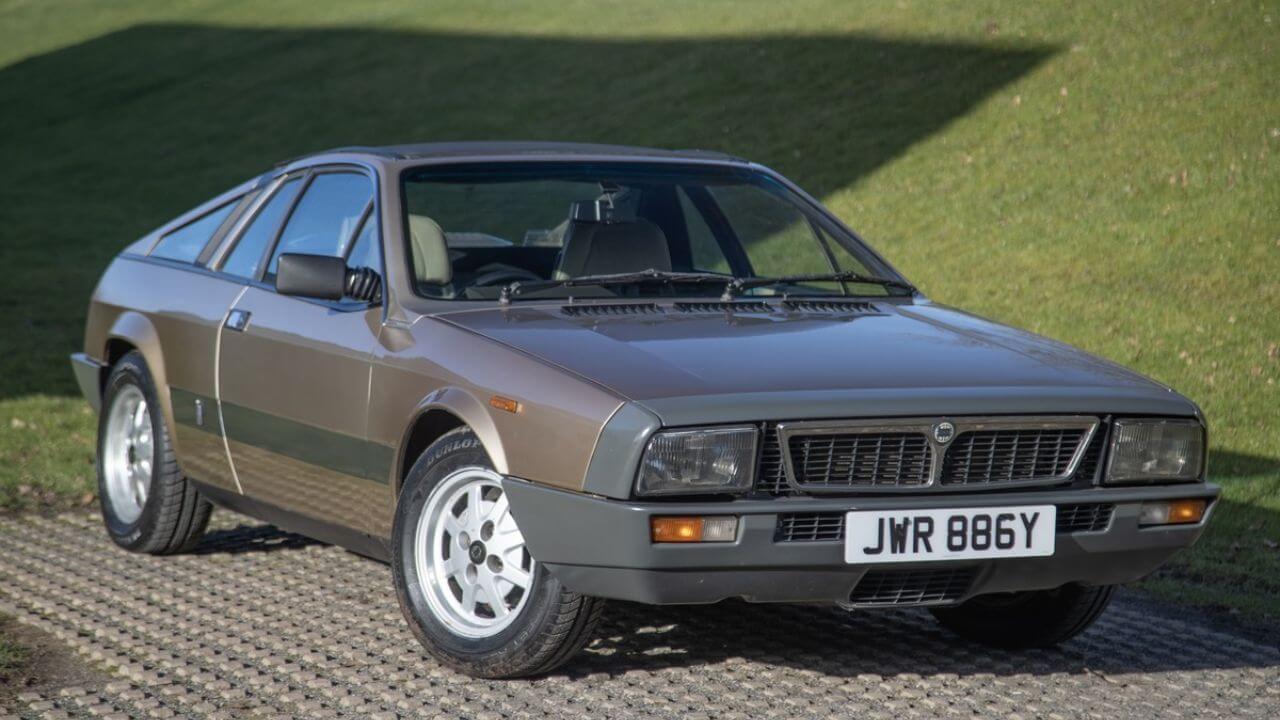

Discover the iconic Lancia Montecarlo, a classic 1970s Italian mid-engine sports car renowned for its elegant Pininfarina design, balanced handling, and distinctive interior. Explore its engine specs, history, and lasting legacy in automotive culture.
The Lancia Montecarlo is one of the icons of Italian sports car design and engineering from the 1970s, epitomising elegance, innovation and spirited performance. This mid-engined sports car, designed and built entirely by the legendary Pininfarina design house for Lancia, is distinctive both for its unusual styling and for its balanced chassis dynamics. From its debut in 1975 until production ended in the early 1980s, the Montecarlo won admiration for the way it combined aesthetics with driving pleasure, but it also encountered its share of challenges that have defined its legacy. In this blog, we will dig deep into the Lancia Montecarlo, deconstructing its design, engineering, interior sophistication, and cultural significance for a captivating story for enthusiasts and new admirers alike.
The Origins & Design Philosophy of the Lancia Montecarlo
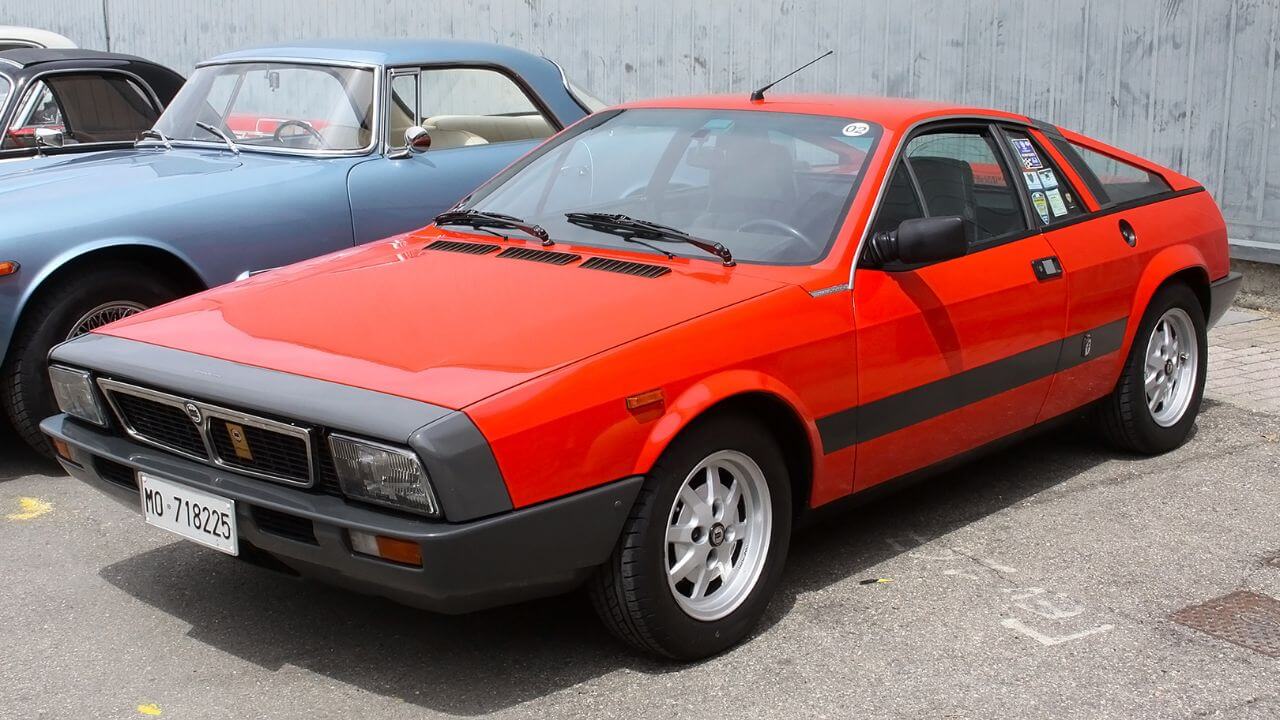 The history of the Lancia Montecarlo started as a project that at first was linked to Fiat’s X1/9 sports car platform but it soon grew into its own model with the aim of highlighting Lancia’s history of engineering and sportiness. In 1969, the Montecarlo started life under the leadership of Pininfarina and the chief designer of the car, Paolo Martin, envisioning the car as a mid-engined two-seater sports car with sharp and wedge-like aesthetics that were common at the time. The design was introduced at the 1975 Geneva International Motor Show, and made headlines due to its bold, clean lines and balanced proportions.
Martin’s design brilliantly blended the benefits of modernity with Italian elegance, including a squared off nose and tail, with signature side wings on the rear engine cover. Unlike many mid-engined cars of its era, the Montecarlo was not solely about performance, but an affordable and stylish everyday driver appeal. The car was both a coupe and spider with manually operated roll-back targa roof. In the United States, to avoid trademark problems with Chevrolet’s Monte Carlo, the spider was marketed as the Lancia Scorpion.
Engine Specifications and Performance
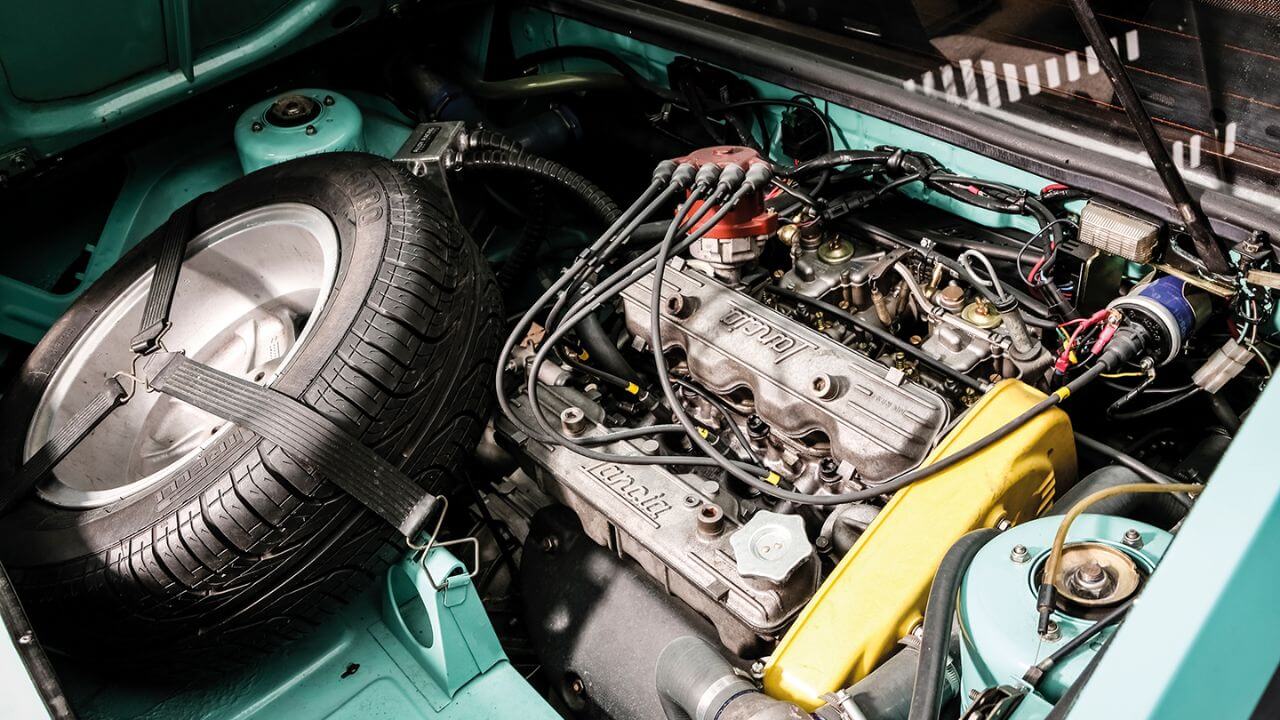 The heart of the Lancia Montecarlo is the spirited 2.0-liter twin cam inline four-cylinder Lampredi engine. This powerplant generates a small, but cheerful 120 horsepower at 6,000 rpm producing 125 lb-ft (170 Nm) of torque at 3,500 rpm. Despite the engine having been designed for a larger V6 engine when first conceived, the oil crisis in the 1970s made the smaller displacement necessary at the outset which delivered a little less outright power but provided superior fuel economy and manageable weight distribution.
Paired with a five speed manual transmission and rear wheel drive the Montecarlo is a balanced and rewarding car to drive. The mid-engine positioning gives it fantastic weight distribution, which absolutely, allied to its low curb weight (around 920 to 1050 Kg) is able to provide the car with nimbly and responsive handling. Performance figures from the time gave a top speed of about 190 km/h (118 mph) and acceleration of 0 to 100 km/h in about 9.3 seconds.
The suspension and braking systems were ingeniously designed to complement the layout: disc brakes in front and at the rear and well-tuned suspension components provided the Montecarlo with precise handling sharpness, without sacrificing ride comfort. Notably, the relatively modest power output is emphasized over raw speed and finesse over brute force, making the car a driver’s car, rather than a brute force supercar.
| Lancia Montecarlo Engine Specs | Details |
|---|---|
| Engine Type | 2.0L Inline-4 Twin-Cam (Lampredi) |
| Displacement | 1995 cc (2.0 liters) |
| Power Output | 120 hp (88 kW) @ 6000 rpm |
| Torque | 125 lb-ft (170 Nm) @ 3500 rpm |
| Transmission | 5-speed manual |
| Drivetrain | Mid-engine, Rear-wheel drive |
| Top Speed | Approximately 190 km/h (118 mph) |
| 0-100 km/h (0-62 mph) | Around 9.3 seconds |
Interior Design & Craftsmanship
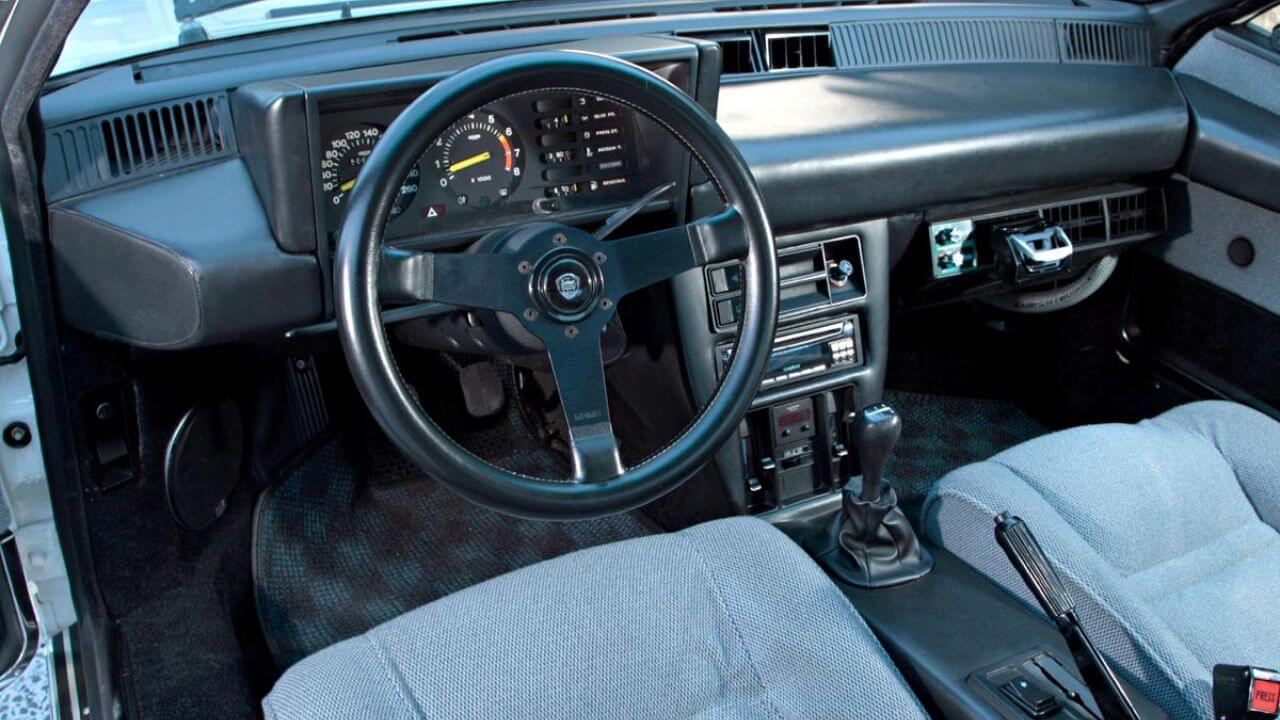 While performance and styling are vital, the Lancia Montecarlo also excelled in providing a well thought out and comfortable interior for its time. Pininfarina’s eye for detail went beyond the exterior shell as the cabin also conveyed the same blend of elegance and sportiness that characterized the car’s persona.
The interior was equipped with bucket seats upholstered (mostly) in vinyl or fabric options, known as TVE (Elasticized Vinylic Textile), but leather trims were available on some models and special editions. The dashboard had a clean and functional layout with the instrument panels being clear and easy to use, all with the focus on being usable and driver-centred. Colors varied, and could be in black, grey, blue, brown or red, allowing for a little personalization and style.
Space was a premium as was to be expected in a low-slung two-seater sports car, but the cockpit design was intended to maximise comfort and ergonomic efficiency. Many factory options were available at the time, so that buyers could customize their Lancia Montecarlo interiors to suit taste and needs. Specialized restoration projects today emphasize the fact that the exotic fabrics used were unique and difficult to reproduce thereby emphasizing the premium quality of its craftsmanship.
The balance between sportiness and practicality that the cabin achieved made the Montecarlo stand out among the contemporaries that often sacrificed comfort in favor of performance, reinforcing the philosophy of Lancia that established in 1913: in Lancia the elegance and the engineering are transformed.
Cultural and Sporting Importance
 The Lancia Montecarlo occupies a significant spot within the history of Lancia and the brand as well, one that bridges the divide between racing pedigree and road going accessibility. Derived from a project which was connected, in a roundabout way, with the illustrious Abarth racing programme, the Montecarlo was indirectly connected to the Lancia Stratos and the rally successes which brought fame to the brand.
Its presence in motorsport, while few in comparison to the Stratos, still made an impact. The Montecarlo body style was modified into the legendary Lancia 037, a Group B rally car that was known for its mid-engine configuration and the achievements it made in the 1980s. Hence, the Montecarlo platform was a very important technical and design basis that helped strengthen the sporty image of Lancia.
Automotive experts focus on its role as a “mini-Ferrari” to bring exotic mid-engine dynamics to a larger market segment. As automotive historian Paolo Martin, the car’s designer, reflected: “The Montecarlo was a tensioned combination of sportiness and elegance – a rare combination that constituted an important evolution for Italian sportscars in the 1970s”.
The Lancia Montecarlo in the Classic Car Landscape of Today
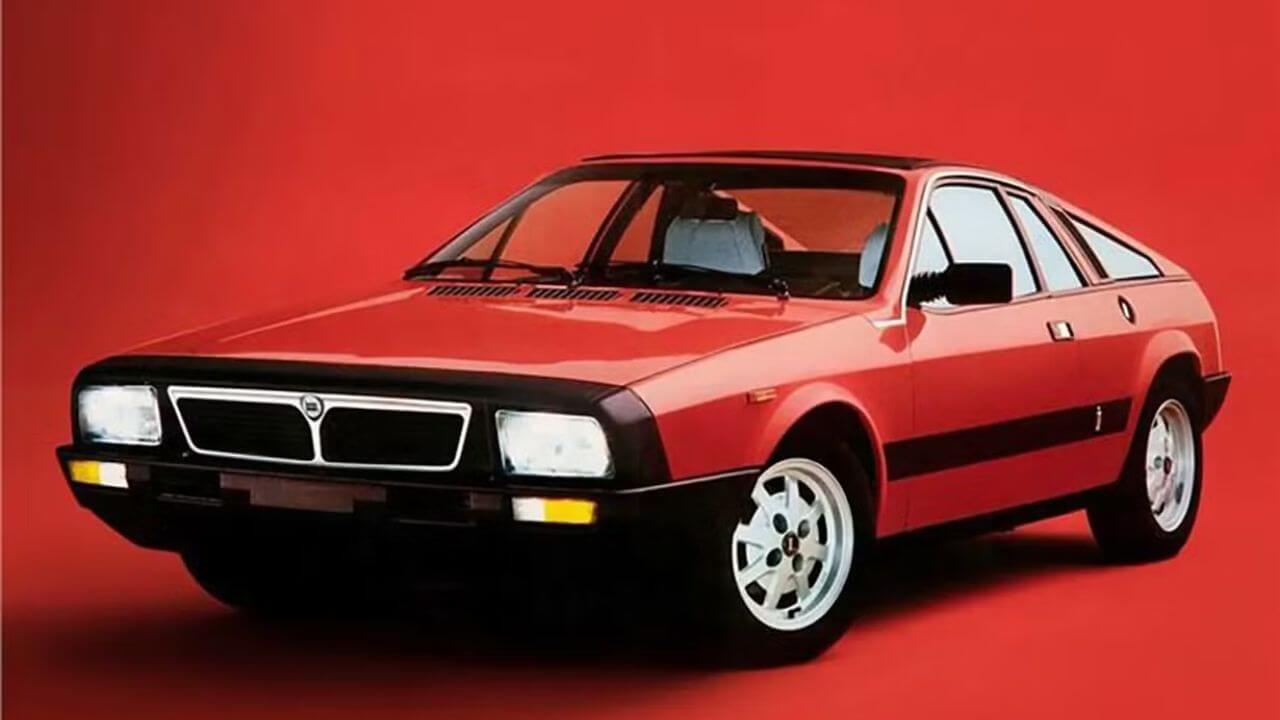 Today, the Lancia Montecarlo is renowned amongst classic car enthusiasts as an underrated Italian gem, admired for its driving pleasure and unique style. While it never reached the superstardom of some of its contemporaries, its combination of Italian style and engineering precision remains.
Collectors love the clean design lines, unique Pininfarina pedigree, and relatively accessible pricing levels of the Montecarlo at a time when Ferris or Lamborghini were reserved for the very wealthy. Its motorsport past and link with the rally history of Lancia also add to its appeal.
In the circles dedicated to the restoration of the building, preservation of the interior fabrics of the Montecarlo and of its mechanical authenticity, in consideration of its rarity and historical importance. Enthusiasts still praise it for sharp handling and balanced driving dynamics not seen in many cars built in its day.
Verdict: The Longevity of the Lancia Montecarlo
The Lancia Montecarlo is still one of the most fascinating chapters in the history of cars, a time capsule of 1970s Italian sports car innovation, with its mid-engine configuration, elegant Pininfarina styling and driver-centric engineering. The finely crafted interior and balanced chassis made it more than just a beautiful object, but a joy to drive and own.
Though overshadowed at times by bigger and better competitors, the Montecarlo’s distinctive charm and legacy lives on through devoted enthusiasts all over the world. As a bit of Lancia’s illustrious heritage, it reminds us that there’s more than just raw speed to pure automotive passion – it’s about harmony between design, engineering and the driving experience.
For any automotive enthusiast seeking to delve into the heart of Italian sports car craft, the Lancia Montecarlo promises a rich and rewarding adventure into the realm of timeless elegance and spirited performance.
