
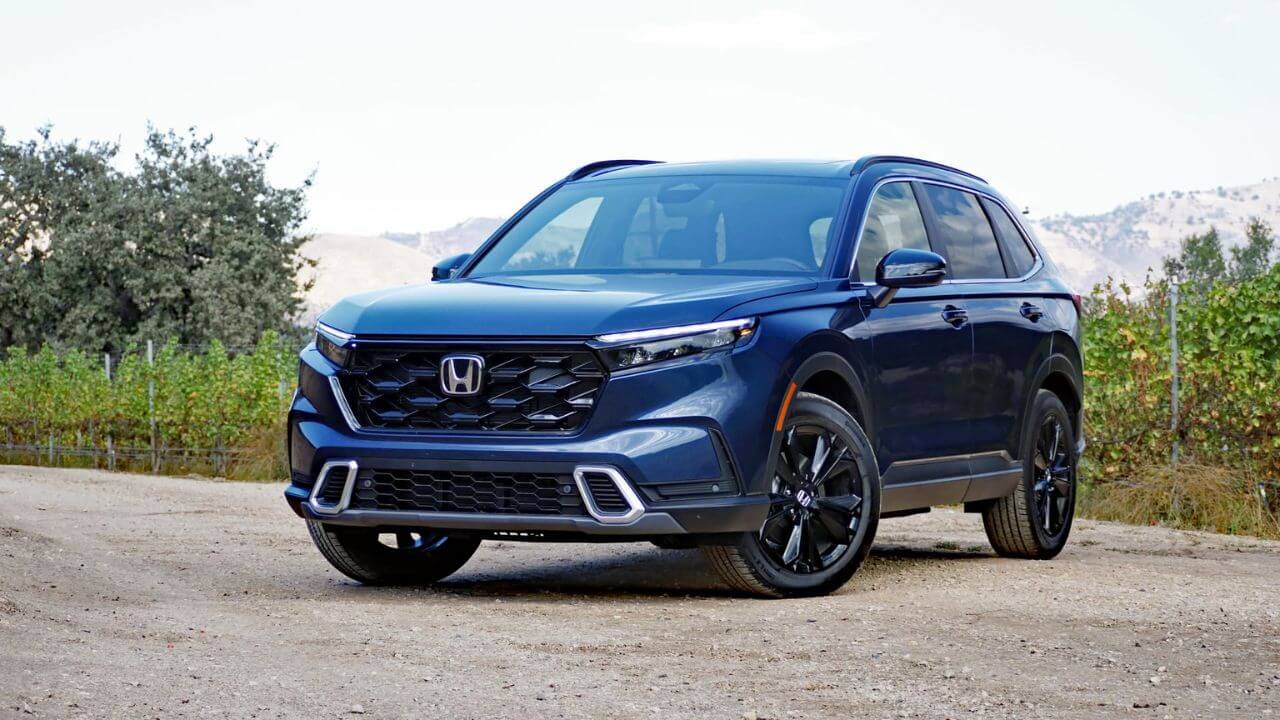

Learn which years to avoid when buying a used CRV in order to purchase an SUV used Honda. Get information on model-specific problems, specialist knowledge, and hints to pick a stable CRV.
Honda CRV years to Avoid, Honda CRV has always been touted as a consistent and practical compact SUV, which is loved by the drivers all over the globe due to its combination of comfort, utility, and fuel economy. Nevertheless, just like any car with a multi-decade history of production, not all of the model years have been built alike. To any future buyer of a used Honda CRV, it is important to be aware of the years to avoid when buying a used car because these are the particular production years that have been known to have certain reliability problems or safety-related problems that may result in the buyer ending up paying a lot of money in repairs or experiencing a poor driving experience. The paper explores these problematic years in detail based on the views of the experts, the conclusions of the best automotive safety organizations and the opinions of the owners, and offers an in-depth roadmap to assist a buyer in making a knowledgeable and sound judgment.
Background and Significance of the Model Year Choice.
When it comes to choosing a used car, much depends on the choice, but not as much as on the selection of the model year. Honda CRV years to Avoid, Each generation of vehicle, as made by automakers, actually gets improved or redesigned, although certain years in those generations might have early teething issues (engine failures, transmission problems, bad electronics). In the case of the Honda CRV in particular there are certain model years that have struggled with the demands to the point that it has affected the satisfaction of the owner and the resale value.
Based on the statistics of the National Highway Traffic Safety Administration (NHTSA) and the databases of owner complaints, the patterns of systemic problems observed in the CRV of various generations are to be considered by a future buyer. It is important to note that whereas there are certain model years that are more reliable and safe, there are others that are characterized by engine failures, electrical fire, corrosion of the suspension and airbag failures.
Problematic Honda CRV Years to avoid.
The First Generation Setbacks (1997–1999)
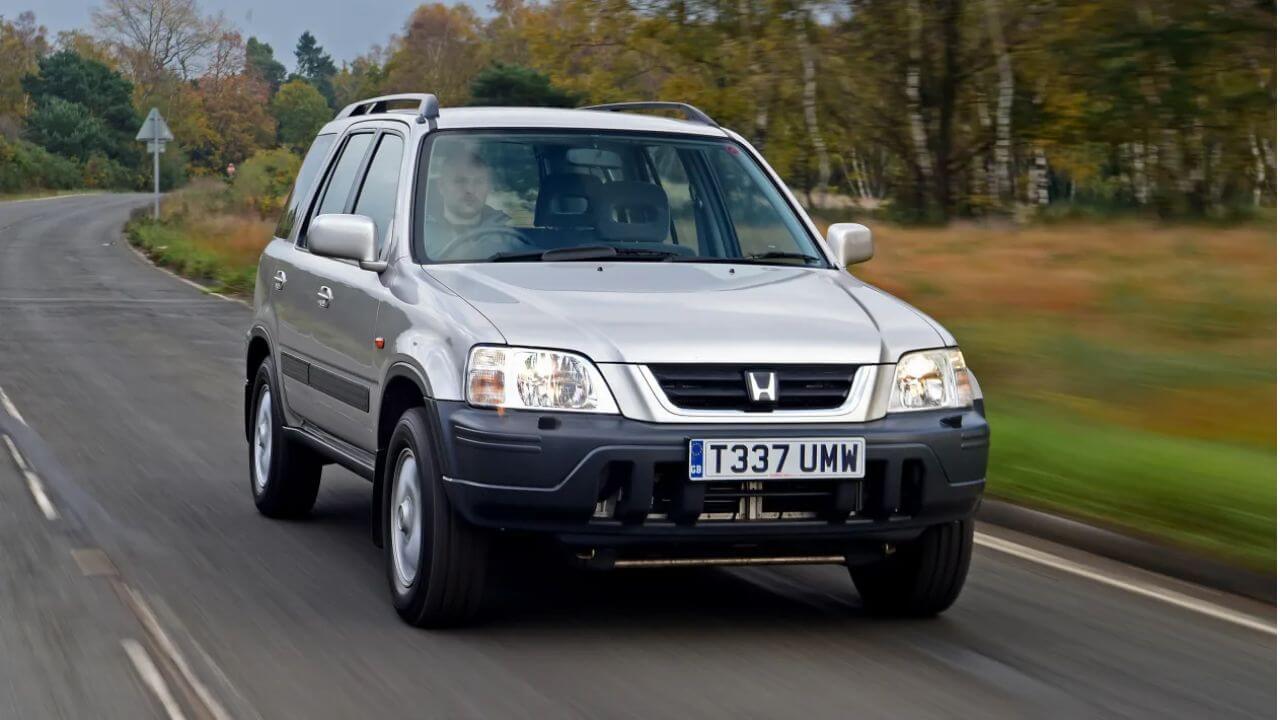 Earliest CRV models between 1997 and 1999 have been generally labeled as higher risk even though the first generation models are generally known to be durable. These years were characterized with a high number of complaints of engine shuts at highway speeds, and usually due to faulty ignition switches. In addition, the airbags malfunctioning during this time posed major safety concern that has not been addressed in certain vehicles to this day. Reported stalling that occurred without warning signs by owners, had adverse effects on the road safety.
Early Second Generation Troubles (2002-2003)
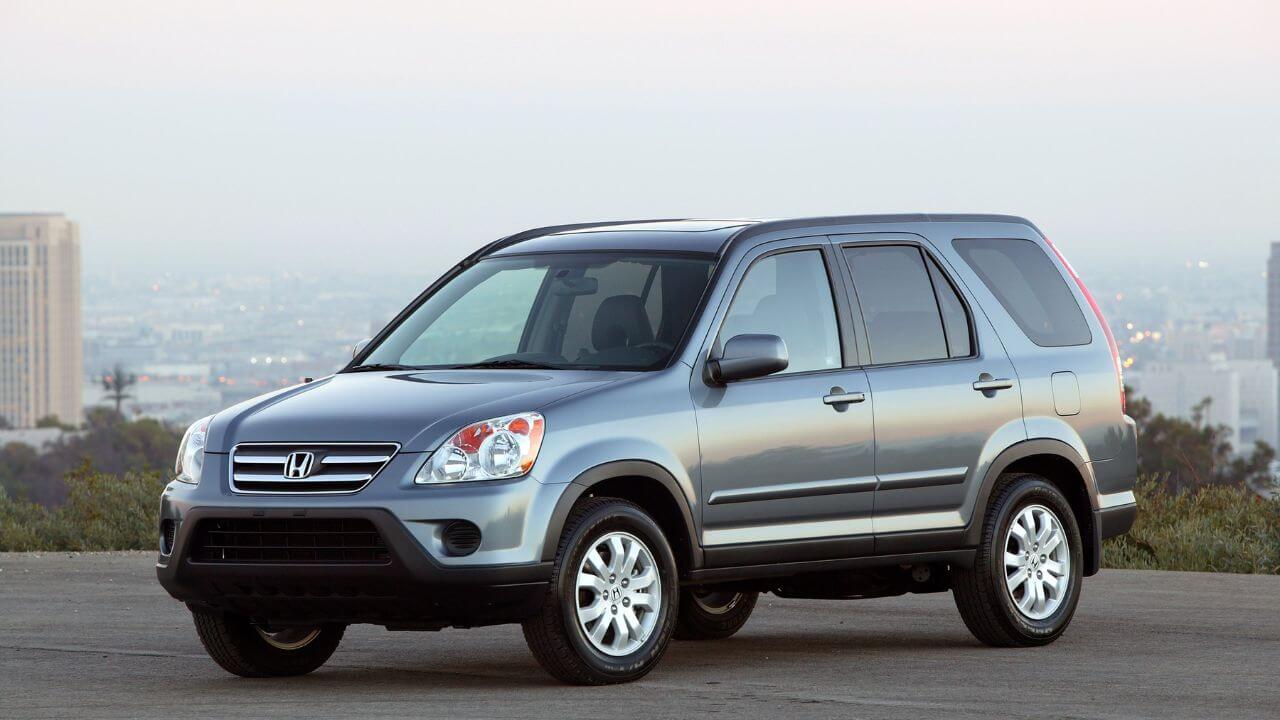 Honda second generation CRVs and particularly earlier models of 2002 and 2003 have had tremendous powertrain and electrical system failures. According to reports made by NHTSA, in the year 2004, the number of complaints made against the engine was more than 100, and in the previous years, this number was very high. Electrical fire, window switches, and dashboard interruptions were frequent and interfered with the driving experience and safety.
The Third Generation Woes (2007–2009)
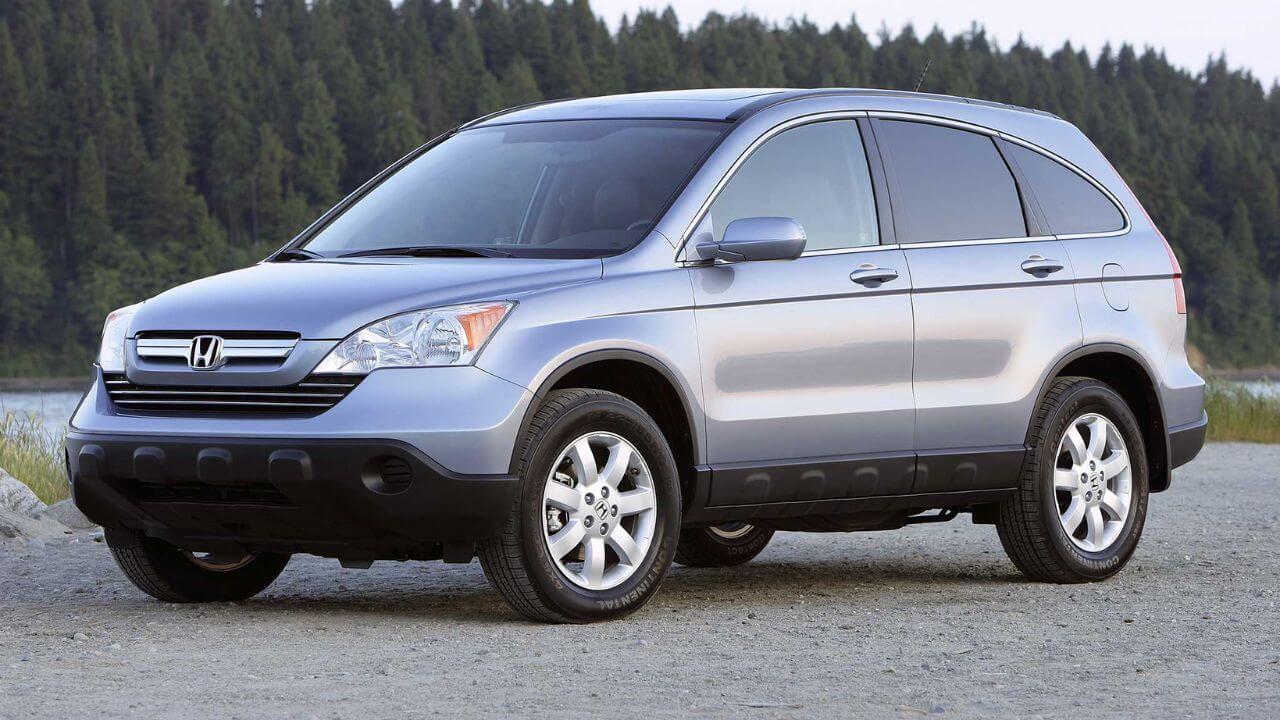 The third generation did not start very well, especially during the initial stages of production. The 2007-2009 models have a notorious reputation of transmission issues such as slipping and sudden breakdown, as well as accelerating engine and suspension problems. Researchers find these years to be especially clunky and full of high risks of high-cost repairs. In addition to this, another severe defect cited by several reviewers and consumer complaint sites was suspension collapse due to corrosion.
Fifth Generation Oil dilution crisis (2017-2019)
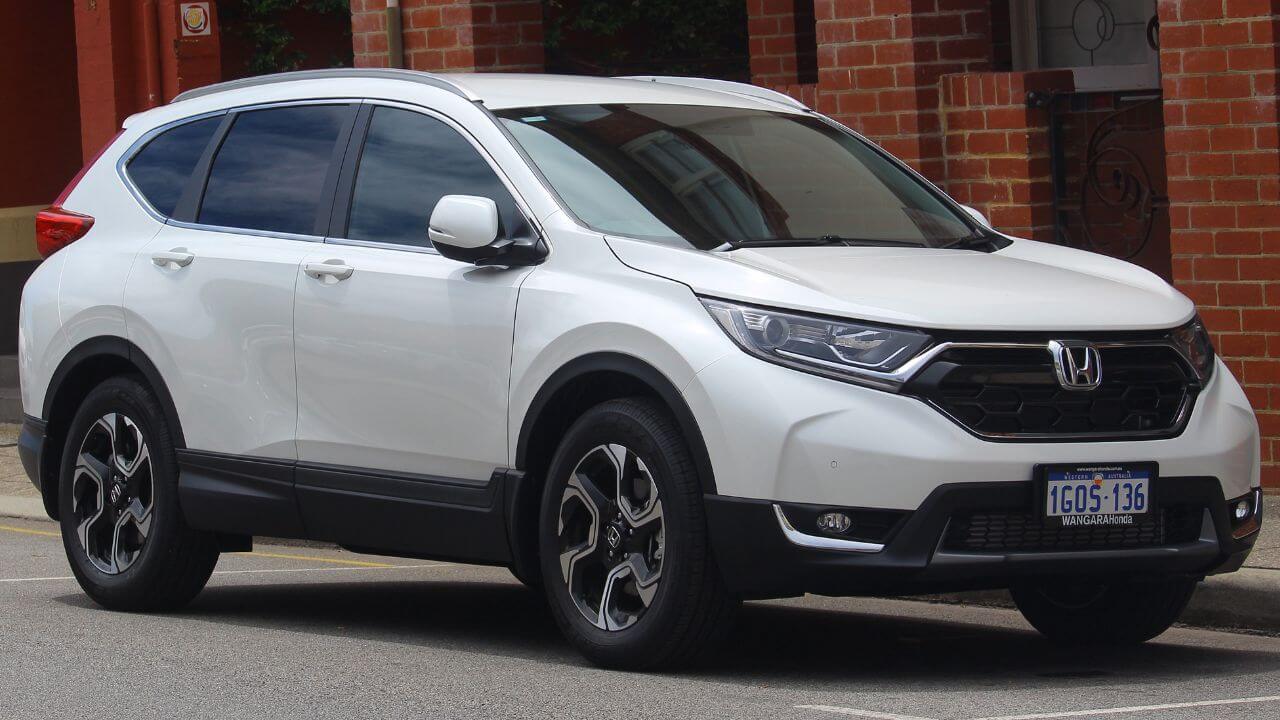 Recently, the youth of the fifth generation, especially 2017 and 2018, were in the spotlight of criticism. An emergent but shocking problem surfaced, and that is oil dilution, where gasoline leakage contaminates engine oil and may cause damage on the cylinder head and stalling or misfiring. This flaw was so rampant that Honda had recalled and conducted numerous repair campaigns but customers continue to complain of unresolved issues. The issues of engine overheating and malfunctioning of the electrical system in these years continue to be the most dangerous to prevent, which is why they are regarded as the most dangerous.
A Research into the Causes of the Bad Model Years.
To know why some model years are not doing well, we need to look at how they were manufactured, how they were designed, and how they embraced new technologies that year. An example is the replacement of constant-speed transmissions with continuously variable transmissions (CVT) in subsequent CRVs, which created unexpected complexity leading to transmission slippage and costly repairs over a few years. On the same note, due to the introduction of the turbocharged engines to enable the vehicles to comply with the fuel efficiency laws, there were technical issues such as oil dilution and overheating especially during the 2017-2019 years.
The failures of electrical systems, which has been a common occurrence in different generations, has been due to aging wiring harness, lack of proper insulation and untimely wearing of the switch leading to blackouts in the dashboard or even minor fires. Not only do these defects affect the driving experience negatively, but they also present serious safety hazards in case of airbag or steering control failures.
Honda CRV reliability expert view.
According to automotive reliability professional Dr. Jane Thompson, a professor of mechanical engineering/specialization in automotive Systems, Honda CRVs have a long history of reliability, though even the most reliable manufacturing companies can have model-specific issues. Before purchasing it is essential to evaluate the production defects of each year, and the recalls, as neglecting it can result in costs and in certain cases even harm. Her perspectives focus on the importance of owner reviews, recall databases, and independent reliability scores in directing the buying decision.
Buyers: How to navigate the Market.
Based on the puzzles surrounding the years to avoid when purchasing a Honda CRV, buyers ought to take a multi-dimensional approach. One, verify the vehicle identification number (VIN) of the vehicle against recall records and outstanding vehicle repairs. Secondly, seek a complete record of maintenance, particularly of high-risk years, to determine whether efforts have been handled appropriately. Thirdly, think of the independent checks aimed at the engine, transmission, electrical system, and suspension.
In addition, it is important to consider that the potential buyers can either spend a little more to purchase the models that belong to later generations or more stable years such as 2010, 2011 and the model that was produced after 2019 as these models have fewer reported problems and better rating on their reliability by such sources as J.D. Power and Consumer Reports.
The Continuous Improvements in the later Designs.
It must be noted that newer models of the CRV are much better, as Honda addressed the concerns of the older models by redesigning and updating the software. Specifically, the 2023 and 2024 models are high in the reliability category, and they are fitted with additional safety features and remedies earlier steering and engine issues through recalls. Nonetheless, these models can be expensive, and initial users need to monitor emerging feedback, particularly concerning new technology integration.
Recap: Informed Choice on CRV Years to Avoid on Honda.
Summing up, Honda CRV years to Avoid are specifically problematic (according to all generations) 19971999, 20022003, 20072009, and 20172019. Among the problems of these years, there are engine and transmission failure, as well as electrical and airbag system problems. Nonetheless, through informed studies, scrutiny, and knowledge of recall rates, consumers have chances in traversing the market with good prospects to get a Honda CRV which is affordable, reliable, and safe.
Therefore, knowing these problem years does not only save financial investments, but also personal safety and driving satisfaction. Supported by sound advice of Dr. Thompson, basing my choice on proven information and professional review is the crucial step to the safe car buying in the modern changing automaton world.
